Conflict management in Korean teams is essential in workplaces where respect for hierarchy and group harmony play a central role. In cities such as Seoul, Busan and Incheon, organisations are evolving rapidly, requiring teams to collaborate more openly while maintaining cultural expectations around respect and structure.
This can create hidden tension. Conflict is often avoided to preserve harmony, which can limit open discussion and slow decision-making. Effective conflict management provides a structured way for teams to address differences constructively without disrupting relationships.
When handled well, conflict becomes a source of improvement. Teams gain confidence to share ideas, align more effectively and contribute to better outcomes — while maintaining respect and cohesion.
Balancing Hierarchy, Harmony and Communication in Korean Teams
Korean workplace culture places strong emphasis on hierarchy, respect and collective alignment. While this creates stability and cohesion, it can also make open disagreement challenging, particularly across seniority levels.
At the same time, globalisation and modern business practices are increasing expectations for collaboration, feedback and faster decision-making. This creates a need for structured conflict management that supports both harmony and performance.
High-performing organisations invest in developing communication and conflict resolution skills that respect cultural norms while enabling progress. Experiential learning is highly effective in this context.
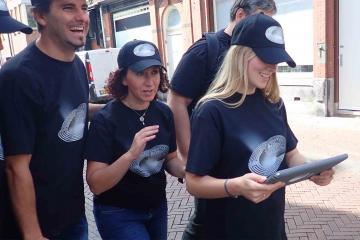
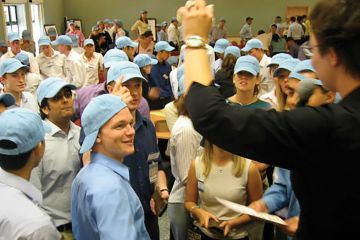
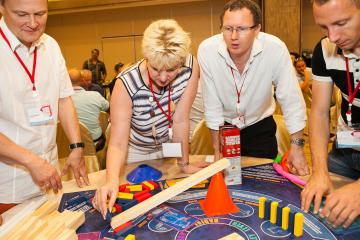
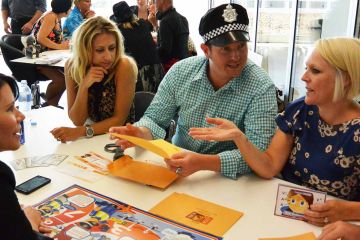
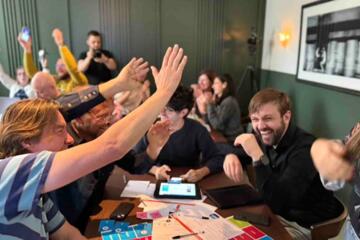
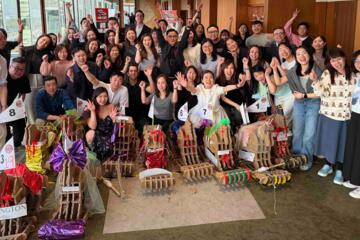
Through immersive team challenges, participants experience realistic situations where tension naturally arises. They learn how to communicate appropriately, manage emotions and navigate conflict without loss of face.
For HR leaders, L&D teams and agencies, this delivers measurable impact — improving communication, strengthening trust and enabling more effective teamwork.