Cross-Functional Cooperation Team Building in South Korea
Cross-functional cooperation brings together individuals with diverse expertise to achieve a shared objective. In South Korea’s highly dynamic and fast-paced business environment, organisations increasingly rely on cross-functional collaboration to deliver complex projects, drive innovation, and execute strategic initiatives.
Each team member contributes specialised knowledge while working collectively to integrate decisions, share insight, and deliver coordinated outcomes. In Korean organisations, where structured hierarchies often coexist with the need for rapid collaboration, achieving this balance is critical.
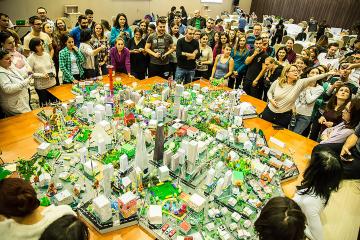
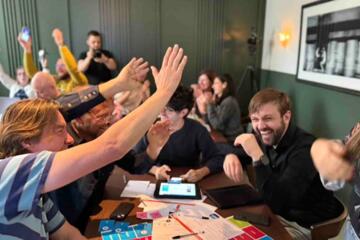
Cross-functional team building activities provide a practical and engaging way to strengthen these capabilities. By working through interdependent challenges, teams learn how to communicate effectively across departments, align priorities, and operate with greater clarity and cohesion.
As organisations in Seoul, Busan, and across South Korea continue to evolve, cross-functional cooperation has become essential to improving agility, reducing inefficiencies, and ensuring successful execution.
Building Effective Cross-Functional Collaboration in Korean Organisations
Many complex initiatives in South Korea — including transformation programs, digital innovation, and large-scale corporate projects — rely on effective cross-functional cooperation. However, when roles, decision authority, and communication structures are not clearly defined, teams often face delays, duplication, and misalignment.
Cultural factors such as hierarchical communication, respect for seniority, and indirect feedback can also influence how cross-functional teams operate. Without intentional structure, these dynamics may limit open communication and slow decision-making.
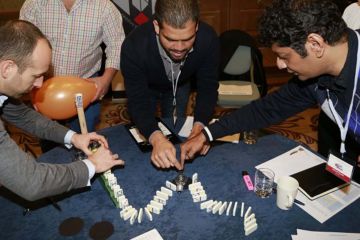
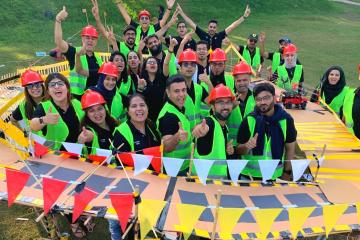
Cross-functional cooperation team building programs create a safe, structured environment where participants can practise collaboration in real time. These experiences help teams to:
- Improve communication across hierarchical and departmental boundaries
- Align decision-making processes and clarify accountability
- Coordinate tasks and manage interdependencies more effectively
- Build confidence in sharing ideas and perspectives
- Develop a shared understanding of goals and priorities
By strengthening these behaviours, organisations enhance their ability to execute complex strategies, improve operational efficiency, and respond more effectively to change.