Communication in Korean Workplace Culture
In South Korea, workplace communication is shaped by hierarchy, respect and strong interpersonal awareness. Messages are often delivered with careful attention to tone, context and seniority, particularly in corporate and enterprise environments.
Effective communication in Korean organisations goes beyond clarity—it requires awareness of group dynamics, non-verbal cues and the ability to read situations accurately (often referred to as nunchi). Whether in meetings, presentations or digital platforms like KakaoTalk, Slack or email, communication must be adapted to both the audience and organisational structure.
At its core, communication remains a two-way process. Active listening, respect and sensitivity to others’ perspectives are essential for building trust and maintaining strong working relationships.
Communication Skills That Build Trust, Alignment and Performance
Authoritative Heading: High-Context Communication Skills for Korean Teams
In Korean workplaces, effective communication balances clarity with diplomacy. Messages should be structured and purposeful, while also maintaining respect and harmony within the team.
Tone, body language and delivery style are critical. Subtle cues—such as pauses, phrasing and indirect language—can significantly influence how a message is received. Asking thoughtful, well-positioned questions helps encourage dialogue while maintaining professional respect.
For HR leaders and team managers, developing communication capability across all levels is essential—especially in organisations navigating globalisation, hybrid working and cross-cultural collaboration.
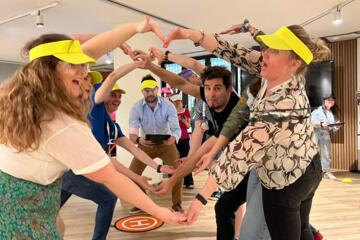
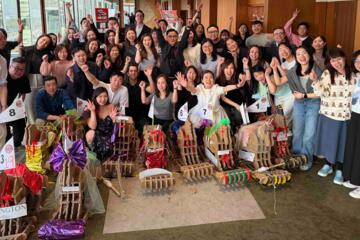
Experiential team building programmes provide a highly effective way to practise communication in realistic scenarios. These environments allow participants to develop confidence, improve clarity and better understand how their communication style impacts others.