Building Resilience Skills in Korean Organisations
Resilience is an essential capability for organisations in South Korea navigating rapid innovation, digital transformation, and high-performance expectations. In fast-paced business environments such as Seoul, Busan, and Incheon, teams are required to respond quickly to change while maintaining focus, collaboration, and results.
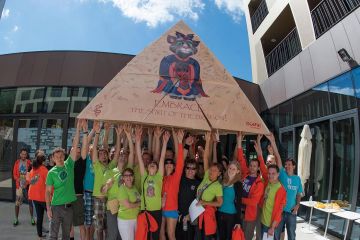
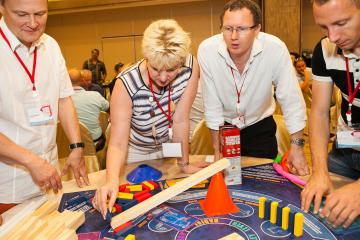
Experiential team building provides a highly effective way to develop resilience in practice. Participants are immersed in structured challenges where conditions evolve, decisions must be made under pressure, and teamwork is critical. These experiences mirror real workplace dynamics and help individuals reframe setbacks, strengthen confidence, and build adaptive thinking.
For Korean corporates, HR leaders, and agency partners, resilience training supports stronger engagement, improved agility, and sustainable performance.
The Science of Resilience in High-Performance Korean Teams
Resilience is widely recognised in organisational psychology as a key driver of performance, wellbeing, and long-term success. It is closely linked to emotional regulation, cognitive flexibility, and solution-focused thinking—capabilities essential in Korea’s competitive and fast-evolving business landscape.
Within Korean workplace culture, where teamwork, commitment, and collective success are highly valued, resilience plays a critical role in maintaining group harmony while navigating pressure and change. Psychological safety and trust enable individuals to contribute ideas, take responsibility, and respond constructively to challenges.
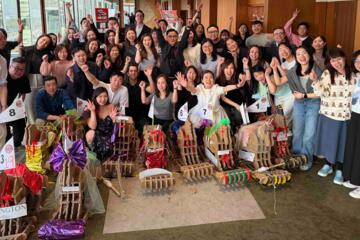
Catalyst Korea programmes are designed with these principles in mind. Through facilitated experiential learning and structured reflection, participants build self-awareness, optimism, and practical strategies to manage adversity. The outcome is stronger individuals and more cohesive, resilient teams.